
"South American beans"
4000 article(s) found

What do you recommend in Latin American coffee producing areas? how much is a cup of Latin American coffee?
Professional coffee knowledge exchange more coffee bean information please follow the coffee workshop (Wechat official account cafe_style) in terms of production, coffee beans in Latin America account for about 60% of the world's coffee production, Africa and Arabia account for about 20%, and the remaining 20% are distributed in Asian countries and islands. In South America, Brazil accounts for 30-50% of the world's output, Goran.
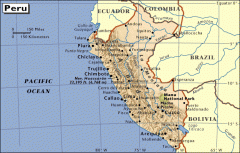
Peru, South America
South American coffee is overshadowed by the presence of coffee giant Brazil and Colombia, the largest exporter of washed Arabica beans, but Peru, South America's third-largest coffee producer after Brazil and Colombia, is worth mentioning. Peruvian coffee is grown mainly on the slopes of the northeastern part of the forested Andes. It is mainly divided into three major producing areas: North.
Central and South American Coffee Chinese Coffee Trading platform recommends coffee geisha to bake at home with milk foam.
Coffee was introduced into Panama in 1780, when Europeans introduced the first Typica tree species. After that, this mysterious and strange drink conquered the senses of Panamanians, and the local people began to grow it widely. Panamanian coffee is very smooth, full particles, light weight, and perfect acidity balance, its high-quality coffee bean flavor is pure, very distinctive. Because of its wide popularity, Panama University

Description of characteristic Flavor of Coffee beans in Latin America introduction to Variety Manor by Grinding scale treatment
Latin American coffee bean characteristic flavor description grinding scale method Variety Manor introduction was once the second largest coffee producer only in Brazil, but Colombia, which has been overtaken by Vietnam and ranked third in the world, is the largest supplier of washed beans in the world. Colombia has become synonymous with good coffee after years of image building. Although the flavor is balanced, thick and famous,

South American coffee bean producing area Columbia huila producing area washed green jadeite greasy vanilla cream
Professional coffee knowledge exchange more coffee bean information please follow the coffee workshop (Wechat official account cafe_style) front street-Colombia washing green emerald introduction southwest Colombia's Huila producing area and Narino producing area, Tolima producing area are all excellent coffee producing areas, almost all of the top 10 coffee competition in Colombia come from here.
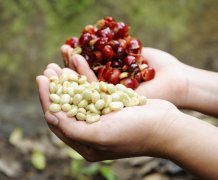
El Salvador Himalayan Manor Central and South American boutique coffee flavor
Located in Santa Ana, a famous producing area in the Apaneca Mountains at an altitude of 1500 meters, Himalayan Manor is one of the few estates managed by Aida Batlle. The main varieties planted are bourbon. The coffee beans from the estate are washed at Mauricio Salaverria's El Divisadero treatment plant in Ataco, and then on an elevated bed in Africa.

Salvadoran coffee Central and South American coffee beans
Boutique coffee is fresh coffee. Whether it's food or drink, of course, the fresh the better, and so is boutique coffee. High-quality coffee should keep the coffee beans fresh before making, including the preservation of baked beans, and grind the coffee beans into powder before making, which is also to retain its original and best flavor. And the way of making hand-made coffee is such a way to make high-quality coffee.

Brazilian coffee Central and South American coffee beans Brazilian flavor
[introduction] Brazil has failed to increase production in recent years, but it has greatly improved the quality of coffee in the past decade, trying to get rid of the idea that Brazilian weight is not important to quality and that Brazilian beans are as light as water. In recent years, it has successfully transferred to the boutique coffee market.

Boutique coffee learn from the South American Colombian coffee selected by Starbucks.
Colombian Coffee description: Colombian coffee is moderately mellow, smooth and smooth, and has a distinct nut flavor. This super coffee can only be produced in the Narino region. Processing: washing method. Location: Colombia is the most northwestern country in South America, bordering Panama in the west. Narino is a member of southwestern Colombia

Characteristics of Latin American coffee beans Growing area Flavor description Processing method
Each Latin American blend coffee is unique and does not include any Latin American single-origin coffee. Sometimes Starbucks 'blend coffee may also contain beans sourced from different regions of Mexico, Guatemala and Colombia. Starbucks buyers are also in Costa Rica, El Salvador and Nepal.
American Coffee producing area | introduction to the species and flavor characteristics of coffee beans in Colombia
Professional coffee knowledge exchange more coffee bean information please pay attention to the coffee workshop (Wechat official account cafe_style) front street-American coffee producing region of Colombia Coffee production area of the Americas refers to Central and South America, the area north of Mexico basically does not produce coffee beans. Coffee producing areas in the Americas are mainly distributed from the Tropic of Cancer to the equator, and in Central America.
Colombian coffee bean Colombian species morphology Central and South American coffee beans
Species morphology the main varieties of Colombian coffee are small grain coffee. Plants are small trees or large shrubs, 5-8 m tall, usually much branched at base; old branches gray-white, nodes dilated, young branches glabrous, compressed. Leaves thinly leathery, ovate-lanceolate or lanceolate, 6-14 cm long and 3.5-5 cm wide, tip long acuminate, acuminate part 10-15 mm long, base cuneate or slightly obtuse, rarely round
Guatemala Antigua Flower God Coffee Culture China Coffee Network Central and South American beans
Coffee was really introduced into Guatemala in 1750 by Father Jesuit, where the coffee industry was developed by German colonists at the end of the 19th century. Today, most of the coffee industry's production takes place in the south of the country. There are seven main coffee producing areas in Guatemala: Antigua, Coban, Atitlan and Huehuet.
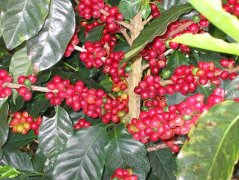
Colombian coffee bean species morphology Central and South American flavor
Species Morphology Colombian Coffee Plant Morphology Colombian coffee is mainly small grain coffee. Plants are small trees or large shrubs, 5-8 m tall, usually much branched at base; old branches gray-white, nodes dilated, young branches glabrous, compressed. Leaves thinly leathery, ovate-lanceolate or lanceolate, 6-14 cm long and 3.5-5 cm wide, tip long acuminate, acuminate 10-15 mm long, basal
The three largest coffee producing areas in the world: African coffee, American coffee, Asian coffee, coffee beans
Latin America, Africa, Asia and Latin America are the three major coffee producing regions in the world: Latin America is the full name of Latin America, and Latin America is part of the Americas. In a narrow sense, it includes the American countries and regions with Latin languages as the official languages; in a broad sense, it includes all American countries and regions south of the United States. Latin America has a land area of 19197000 square kilometers, accounting for nearly 13% of the earth's land surface.

Brazilian Syrador Prairie balance Coffee Central and South American Coffee beans Citrus
Boutique coffee (specialty coffee) is also called specialty coffee selection coffee. It refers to coffee made from a small number of raw beans with excellent taste grown in an ideal geographical environment. Depending on the special soil and climatic conditions in which they grow, they have outstanding flavor. After strict selection and classification, this kind of coffee is hard in texture, rich in taste and stylish.

The characteristics of coffee in the top ten American producing regions-balanced American beans
Professional coffee knowledge exchange more coffee bean information please follow the coffee workshop (Wechat official account cafe_style) Coffee Xiaobai, just drink is the smell of coffee, smell only coffee ah! It's normal! In advanced learning, you can also feel that other flavors of coffee are more often used in daily life with taste and taste, that is, fla in English.

Peruvian Coffee Bean Growing Areas Elevation Climate Flavor Description
Follow Coffee Review (Weixin Official Accounts vdailycom ) and find a beautiful cafe to open its own shop Peru, fully known as the Republic of Peru (Spanish: Repblica del Per), is a country in western South America, bordered by Ecuador and Colombia in the north, Brazil and Bolivia in the east, Chile in the south and the Pacific Ocean in the west. It is a member of the Union of South American Nations. to

Flavor of American coffee beans | Coffee characteristics of American coffee producing areas | Bolivian coffee
Professional coffee knowledge exchange more coffee bean information Please follow the coffee workshop (Wechat official account cafe_style) many people say that they smell coffee, but are afraid of the bitterness of drinking coffee ~ in fact, through simple understanding and training, everyone can drink the flavor of coffee. Today, the editor begins to introduce the American coffee beans, which are famous for their sense of balance.

South American Coffee | introduction to coffee producing areas and coffee grading systems in Trinidad and Tobago
Coffee is grown on estates and small farmers in the hilly areas of Trinidad and Tobago. The number of the industry has declined in recent years due to coffee diseases and pests, inefficient farming practices and uncertain economic conditions. The Republic of Trinidad and Tobago is located in the southern Caribbean south of Grenada, adjacent to the north-east coast of Venezuela. Coffee from Trinidad and Tobago in 1985